The problem of waste management is a challenging problem for nations all over the world as the cost of dumping in landfill sites continues to spiral upward.
Landfill sites are currently emitting vast quantities of climate change gases. This reality ensures a significant cost increase for local governments once carbon-trading systems are implemented. Recently national and local governments have taken an increased interest in waste volume and requirements for landfill sites. The lack of availability of landfill space in metropolitan areas, and social and environmental concerns, has led some states and territories to formulate policies to reduce waste volume, or eliminate waste completely.
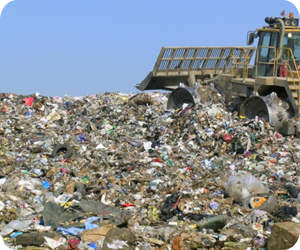
Municipal Solid Waste – MSW
MSW management is a looming crisis for all local governments with costs spiraling upwards (as high as 20-40% of municipal revenues). Whereas most local governments have disposed of MSW in landfill, it is a short-term answer. These landfills are currently continuing to emit vast quantities of climate change gases. 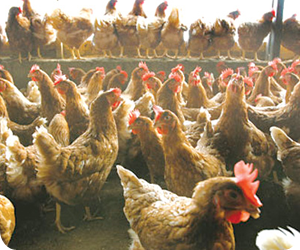
Poultry Waste – PW
GGEA wishes to support and work with Poultry Waste producers worldwide; enabling them to prosper, by employing methods that will remove the harmful by-products they generate. Research undertaken by Monash University indicates manure, litter mortalities, hatchery and processing plant offal, can be processed via the pyrolysis technology so that they are not only environmentally sound, but socially acceptable and economically feasible. 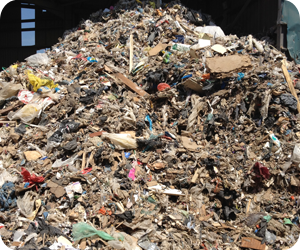
Refuse Derived Fuel – RDF
Refuse Derived Fuel is produced by sorting Municipal Solid Waste (MSW). This sorting process increases the fuel value of the waste by removing incombustible materials such as dirt, glass, metals, and very wet organics. The resulting RDF material is more consistent in size than raw MSW. RDF material consists of many different components including rubber, plastics, tires, timber, etc. 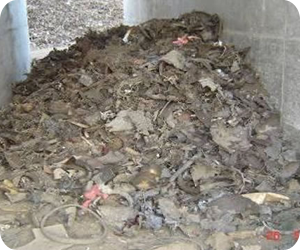
End of Life Vehicle Plastics – ELV
End of Life Vehicle Plastics contains a variety of plastics and vinyls known as “shredder flock” all of which is currently sent to landfill. This shredder residue, which constitutes approximately 25% – 35% of a vehicle’s weight, and up to 60% of all ELV volume, constitutes a significant cost to recyclers. These materials contribute to the volume of waste going to landfill and the chemical behavior of materials contained in the waste once they are released into the environment. 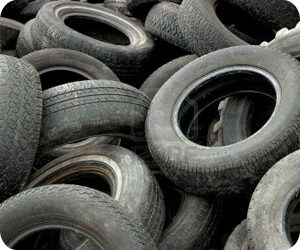
Car and Truck Tires
There are now over 1.7 billion waste tires created annually worldwide. In recent years new legislation and guidelines have been developed to address this issue around the world. Waste tires are currently chipped, sent to landfill or used for fuel replacement for coal-fired furnaces here and overseas. But the emissions still exist and are generally considered to be worse than the coal it is replacing. 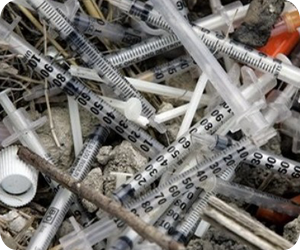
Medical Waste – MW
Incineration is a common method of medical waste disposal. However, in recent years, public perception of incineration has been declining and environmental regulations for incineration have rightly become increasingly more stringent. Pyrolysis provides a perfect solution for medical waste additionally unlocking energy, from the plastics generated that is clean, secure and environmentally friendly. 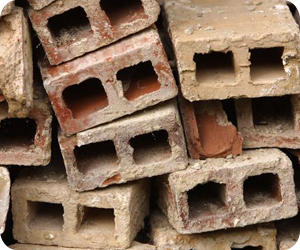
Waste Unsuitable for Pyrolysis
Pyrolysis technology demands that all materials processed be able to combust. Therefore GGII has the right to refuse any material it deems unsuitable for its pyrolysis facility. Unsuitable material would include but not be limited to: builders’ rubble and demolition waste consisting of concrete, bricks and soil.